
The student pilot field guide · 16 min read
Learning to Fly in Arizona: The Advantages, the Weather, and Your First-Month Plan
A practical guide to starting flight training in Mesa: choosing a season, understanding desert weather and aircraft performance, preparing for Falcon Field, and building a realistic training schedule.
In this guide
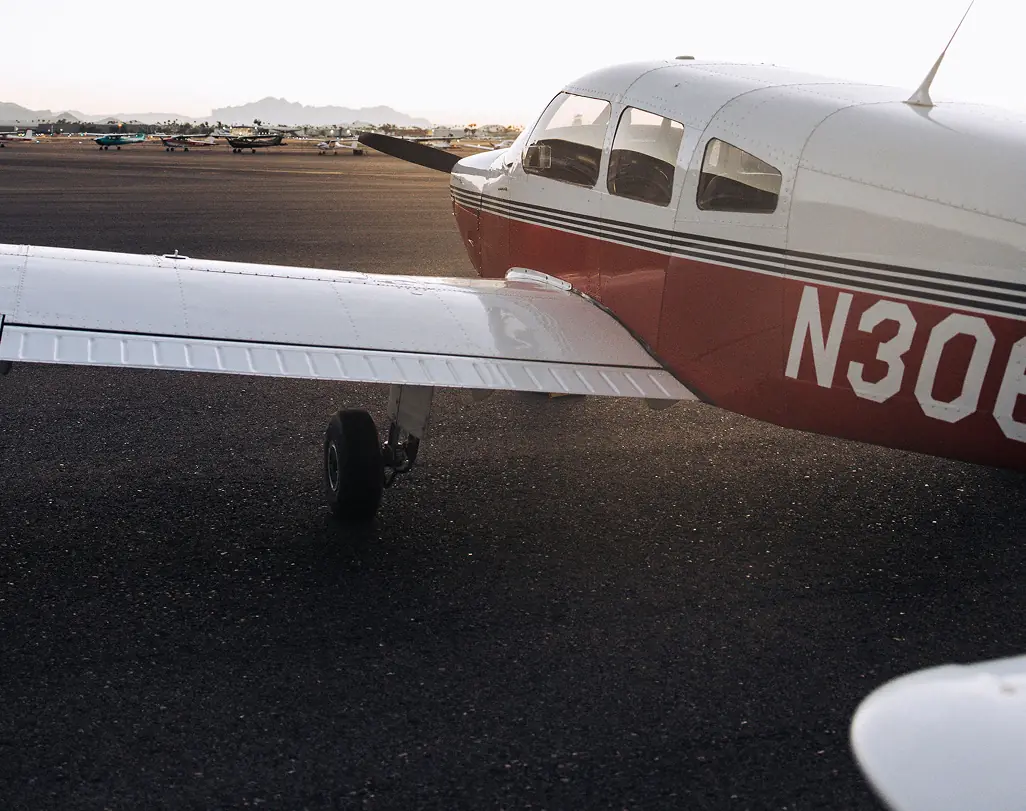
Arizona can be a rewarding place to learn to fly. A first lesson in Mesa can introduce you to a busy aviation community, desert scenery, and the planning decisions that become part of every pilot’s routine. But sunshine alone does not make a training program successful. Your instructor, aircraft availability, preparation, budget, and ability to adjust to conditions matter just as much. This guide explains what the Arizona setting offers, what can interrupt a lesson, and how to arrive ready to learn. Use it to prepare questions for your instructor; actual flights require current weather, current airport information, the aircraft’s approved guidance, and decisions appropriate to your training stage.
Read straight through, or choose the sections you need. Optional questions add guidance for your situation. The core guide stays available to everyone.
01 / 12
Understand what the Arizona advantage actually is
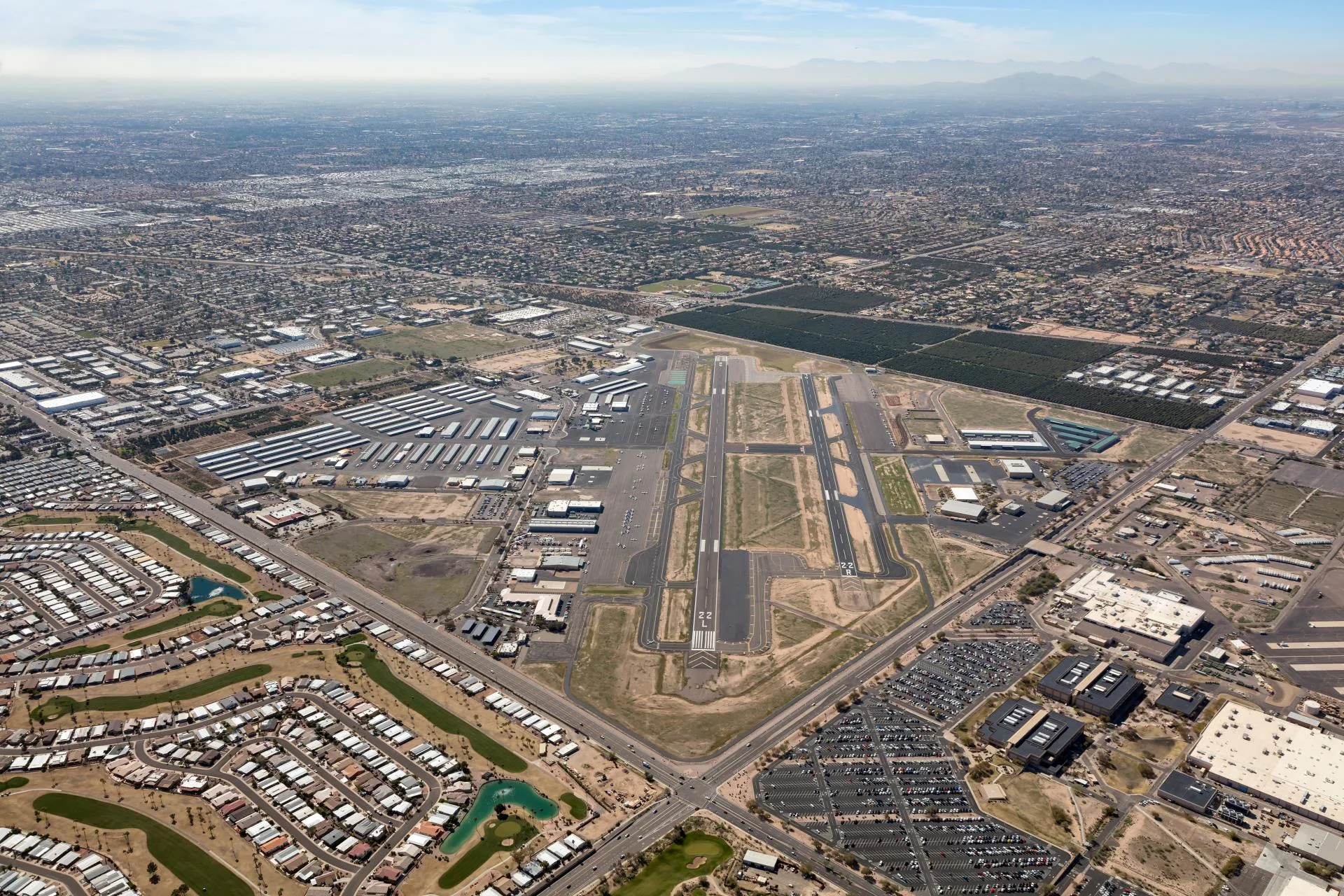
The strongest reason to consider Arizona is the combination of an established training environment and opportunities to build a repeatable routine. Falcon Field is a City of Mesa airport with roots in military flight training during World War II. Today it supports general aviation, business flying, and fixed-wing and helicopter instruction. You are learning in a functioning airport community with different aircraft, purposes, and experience levels around you.
That setting can make classroom subjects feel concrete. A lesson about runway markings connects to the pavement outside. A discussion about weather becomes a decision about today’s departure time. Radio practice has a clear purpose when you hear actual airport traffic. These are potential learning benefits of the environment, rather than evidence that every Arizona school offers the same instruction or the same results.
Be cautious with a claim that a location provides a certain number of guaranteed flying days. A clear afternoon can still be unsuitable for a particular student or airplane. Instead, ask a school to explain how it schedules beginners, what happens when a lesson is cancelled, and how it monitors progress. The useful comparison is the training experience you can reliably access.
For example, someone working weekdays might prefer fewer dependable morning appointments over a larger advertised schedule that conflicts with work. Bring your actual weekly calendar to the admissions conversation. Location becomes an advantage when you can use it consistently.
Read the source: City of Mesa, Falcon Field Airport — Airport Facts
02 / 12
Choose your season with a realistic calendar
Phoenix’s climate varies substantially through the year. NOAA’s 1991–2020 normals for Phoenix Sky Harbor show an average daily high of 67.6°F in January and 106.5°F in July. These are long-term measurements at that station, not a forecast for Falcon Field or a promise about any lesson. They show why a winter training routine and a summer training routine should look different.
NWS Phoenix reports an annual precipitation normal of 7.22 inches at Sky Harbor for the same period. Nearby stations differ. A modest annual rainfall total also says little about the wind, cloud base, visibility, or thunderstorm risk during your particular appointment. You need an aviation weather assessment for the actual time and route, even when the calendar looks favorable.
The idea, at a glance
Make room for a useful Plan B
- Planned flight
A specific lesson with current conditions checked.
- If unsuitable
Ground lesson, debrief, or appropriate device work.
- Next opportunity
Rebook and prepare without pressure to launch.
As a planning exercise, compare two possible start dates using the same questions: Which lesson times can I attend? Can I sleep adequately before an early flight? How much flexibility does my job allow? What happens if several appointments move? A season that works for someone training full time may be inconvenient for a parent or a student working late shifts.
Ask for examples of a normal summer week and a normal cooler-season week. Confirm that they are examples, not commitments. If you are relocating, avoid arranging your housing around a single optimistic completion date. Leave room for weather, proficiency, maintenance, and scheduling changes before making nonrefundable onward plans.
Read the source: NOAA NCEI — Phoenix Sky Harbor 1991–2020 Monthly Climate Normals · National Weather Service Phoenix — 1991–2020 Climate Normals
03 / 12
Learn why heat changes aircraft performance
One phrase you will hear early is density altitude. It describes how air density affects performance, expressed as an equivalent altitude in the standard atmosphere. Hotter air, lower pressure, and higher elevation can reduce density; moisture also contributes. An airplane at a physically unchanged airport can perform as though it is operating much higher on a hot day.
The practical concern is the entire departure, not simply whether the airplane becomes airborne before the pavement ends. Reduced density can mean less engine power, reduced propeller effectiveness, a longer takeoff, and weaker climb performance. Your instructor will use the approved aircraft flight manual or pilot’s operating handbook, actual loading, and conditions to evaluate the flight. A generic internet temperature limit is not a substitute.

Picture a lesson delayed from an early appointment into a much warmer part of the day. The destination and passengers have not changed, but the earlier performance calculation may no longer describe the flight. Revisit the plan. A schedule change is a reason to reassess, not a reason to hurry through preparation.
During an early ground lesson, ask your instructor to demonstrate two performance calculations for the same aircraft under different conditions. Write down which inputs changed and what the results mean. You do not need to memorize a universal answer; you need to understand the process and know when the assumptions no longer fit.
- Identify the specific aircraft and approved performance information.
- Check loading, temperature, pressure, wind, runway, and obstacles with your instructor.
- Discuss a suitable margin and what would trigger a delay or cancellation.
Read the source: FAA Pilot’s Handbook of Aeronautical Knowledge — Aircraft Performance · FAA Lessons Learned — Density Altitude and Aircraft Performance
04 / 12
Prepare the person as carefully as the airplane
A hot ramp and cockpit affect the student, too. FAA aeromedical guidance identifies dehydration and heat stress as risks to alertness, coordination, and decision-making. Headache, fatigue, dizziness, or nausea deserve attention. Do not treat feeling unwell as a normal initiation into desert flying or conceal it because you want to finish a lesson.
Build preparation around your life outside the airport. An early lesson is not a good trade if it regularly follows a late shift and inadequate sleep. Pack the evening before, allow time to eat appropriately, bring water, and discuss cooling breaks with your instructor. Hydration needs vary; carrying a bottle does not by itself establish that you are fit to fly.
The idea, at a glance
Turn the location into a training plan
- Conditions
Season, time of day, and weather interruptions.
- Capacity
Aircraft, instructor, and lesson availability.
- Your life
Travel, housing, study, and a sustainable budget.
If you develop symptoms during preparation or flight, tell your instructor promptly. Stop the activity and get appropriate help rather than pushing through. NWS identifies confusion, collapse, or loss of consciousness among possible heat-stroke signs and advises calling 911 for suspected heat stroke. An emergency should not be managed as a scheduling inconvenience.
A useful personal check before leaving home is: How did I sleep? Am I ill? Have medication, stress, or recent activity affected how I feel? What would make me stop today? Have this conversation while you feel well, so changing a lesson later feels like following a plan rather than disappointing someone.
Read the source: FAA Airman Education — Dehydration and the Pilot · National Weather Service — Heat Cramps, Exhaustion, and Stroke · FAA Pilot’s Handbook of Aeronautical Knowledge — Aeronautical Decision-Making
05 / 12
Treat monsoon weather as a changing system
The monsoon is a seasonal change in circulation and moisture, not the name for one afternoon storm. NWS describes alternating active periods and quieter breaks, with terrain influencing where storms develop. A quiet day does not mean the season has ended, and a forecast chance of storms does not identify the precise hour every airport will be affected.
For a student, the important question is whether the whole planned flight remains suitable. Conditions at departure may differ from conditions when you return. A short local lesson can also become complicated if outflow winds or storms affect the airport while you are away. Plan with your instructor for changes early enough that there are comfortable options.
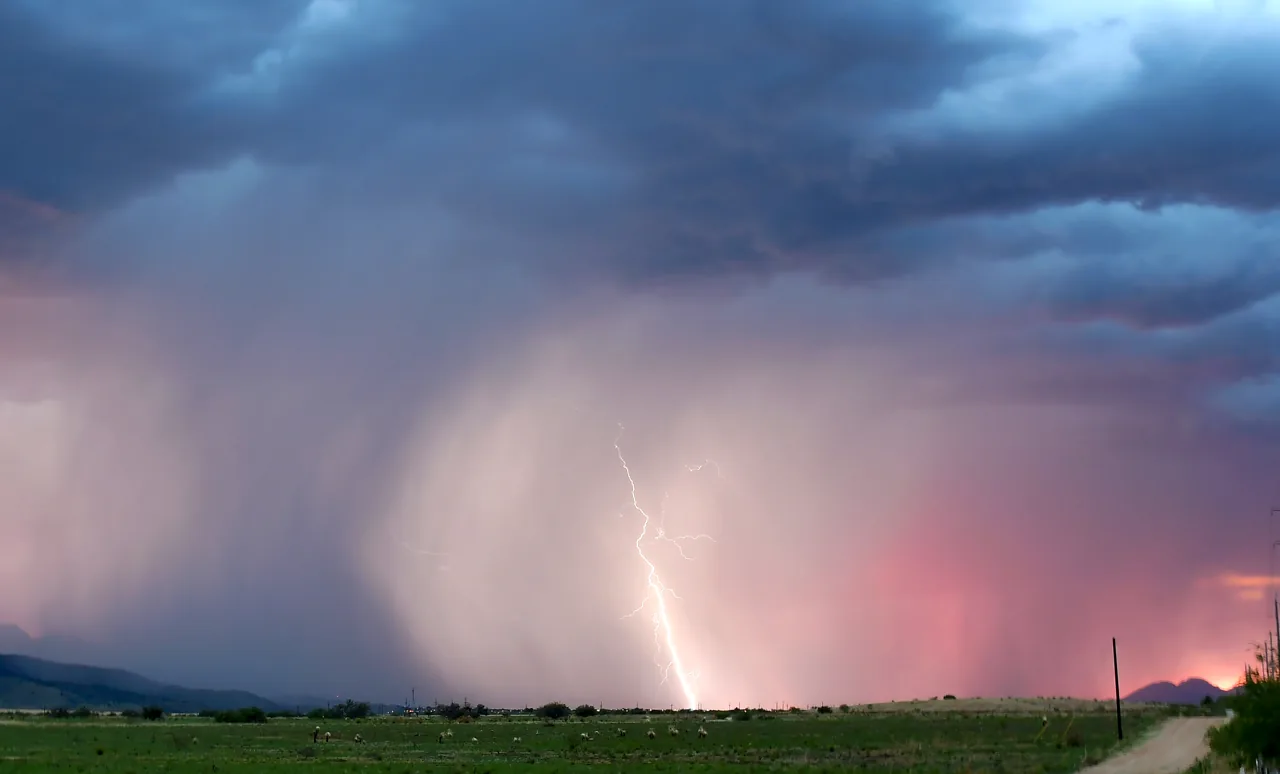

FAA guidance warns against taking off or landing in front of an approaching thunderstorm, or flying beneath one simply because the other side is visible. Its guidance calls for at least 20 miles of avoidance from a storm identified as severe or producing an intense radar echo. That is not a universal safe-distance guarantee for every situation; student and school limits may require staying farther away or cancelling.
Scenario: your instructor changes a planned flight into a weather lesson despite sunshine over the ramp. Ask which forecast, observation, or timing concern drove that decision. Learning to explain an early cancellation is valuable progress. It is far better to understand the developing problem in the briefing room than to first recognize it during an urgent return.
Read the source: National Weather Service Tucson — The North American Monsoon · FAA Aeronautical Information Manual — Meteorology and Thunderstorm Avoidance
06 / 12
Look beyond rain: dust, gusts, and a bumpy sky
Rain is only one part of a desert storm. NWS explains that descending air from a thunderstorm can spread outward abruptly at the surface. These downburst winds can lift dust and sharply reduce visibility. A dry-looking area near a storm is not automatically protected from its wind effects. Treat visible blowing dust as a reason to reassess with your instructor, not an interesting feature to approach.
Bumps can also occur without a thunderstorm directly overhead. The FAA describes convection caused by uneven surface heating and mechanical turbulence where wind flows around terrain or buildings. These processes help explain why a clear sky does not promise a smooth flight. Your instructor should distinguish ordinary anticipated bumps from conditions that call for a different lesson, route, time, or cancellation.
The idea, at a glance
The hazard can arrive before the rain
- Storm development
Review the forecast and current observations.
- Outflow and dust
Watch for rapidly changing surface conditions.
- Reassess
Discuss a change, delay, or cancellation.
A beginner does not need to become comfortable with everything immediately. Tell the instructor if you are anxious, nauseated, or struggling to focus. Request an explanation before a lesson about what conditions are expected and how you will communicate if you want to stop. Comfort is relevant because a lesson is supposed to produce useful learning, not simply elapsed aircraft time.
After a flight, separate observation from interpretation in your notes: what you felt, where it happened, what the weather showed, and what the instructor explained. This creates a better learning record than labeling the entire day good or bad. It also gives you specific questions to revisit before the next appointment.
Read the source: National Weather Service — Monsoon Downburst Winds and Dust Storms · FAA Pilot’s Handbook of Aeronautical Knowledge — Weather Theory
07 / 12
Build airport and radio confidence deliberately
Falcon Field has parallel runways and Class D airspace beneath Phoenix’s Class B. The FAA’s airport briefing identifies closely spaced runway surfaces, nearby traffic, and extensive fixed-wing and helicopter training as matters requiring attention. These features make airport familiarity part of your preparation, not something to leave until the airplane begins moving.
Start with the current airport diagram and your instructor’s briefing. Locate the aircraft parking area, expected taxi route, runway markings, and places where you might need clarification. The FAA specifically highlights wrong-surface landing risk at Falcon Field. Runway identity should be confirmed throughout the approach rather than inferred from whichever pavement looks convenient.


For radio practice, ask your instructor to role-play one departure and one return while you are sitting comfortably indoors. Practice listening, writing down instructions, and asking for repetition. Understanding takes priority over sounding polished. A beginner who asks a clear question is easier to help than one who pretends to have understood.
Airspace knowledge also extends above and beyond the airport. Entering Class B requires an ATC clearance, along with applicable pilot and aircraft requirements; simply speaking to a controller is not equivalent. Your instructor will establish appropriate routes and limits for your stage of training. Never use an article, remembered altitude, or old screenshot as a navigation plan.
When reviewing local procedures, include Falcon Field’s voluntary noise-abatement guidance. Community consideration matters, while safety and applicable instructions remain the priority.
Read the source: FAA From the Flight Deck — Falcon Field, Mesa, Arizona · FAA Aeronautical Information Manual — Controlled Airspace · City of Mesa, Falcon Field — Fly Friendly Noise-Abatement Guidance
08 / 12
Respect the change from desert valley to higher terrain
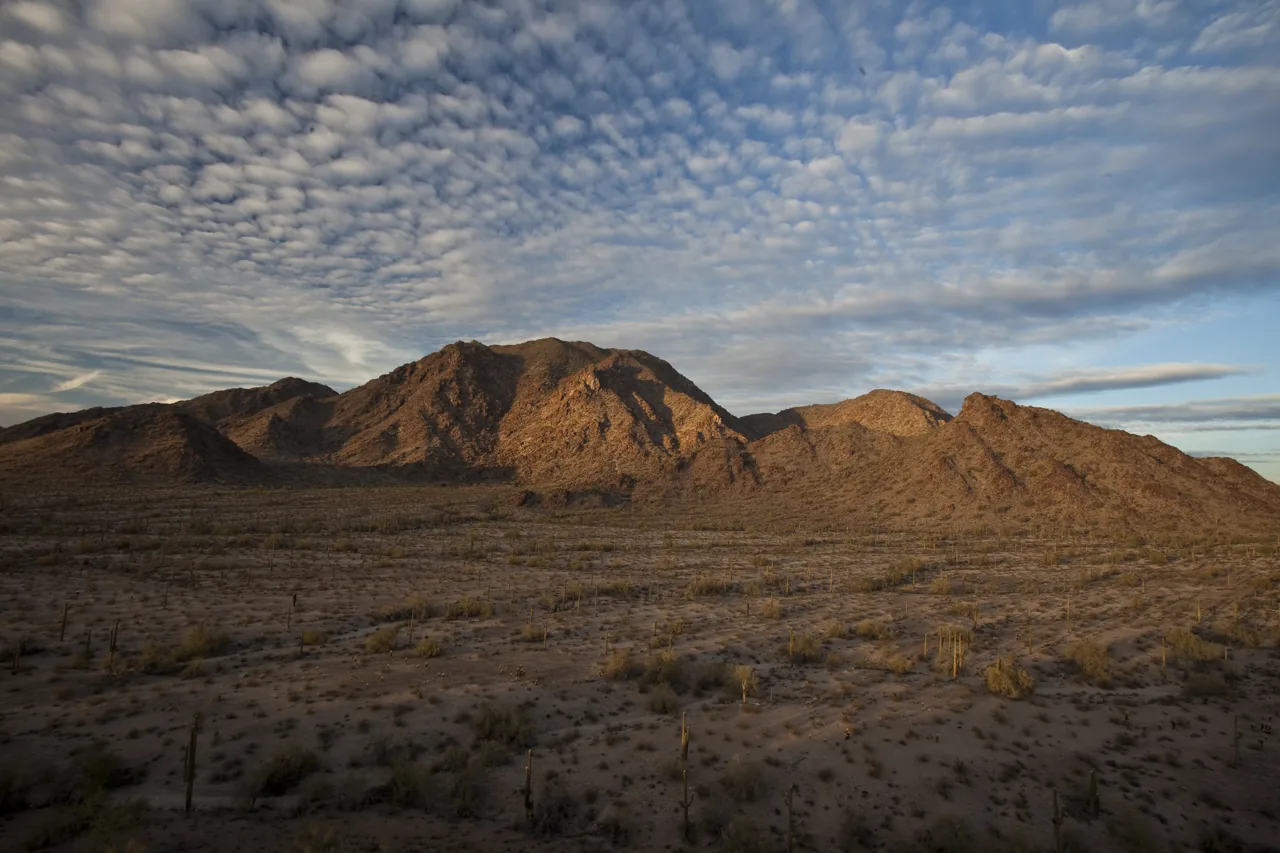
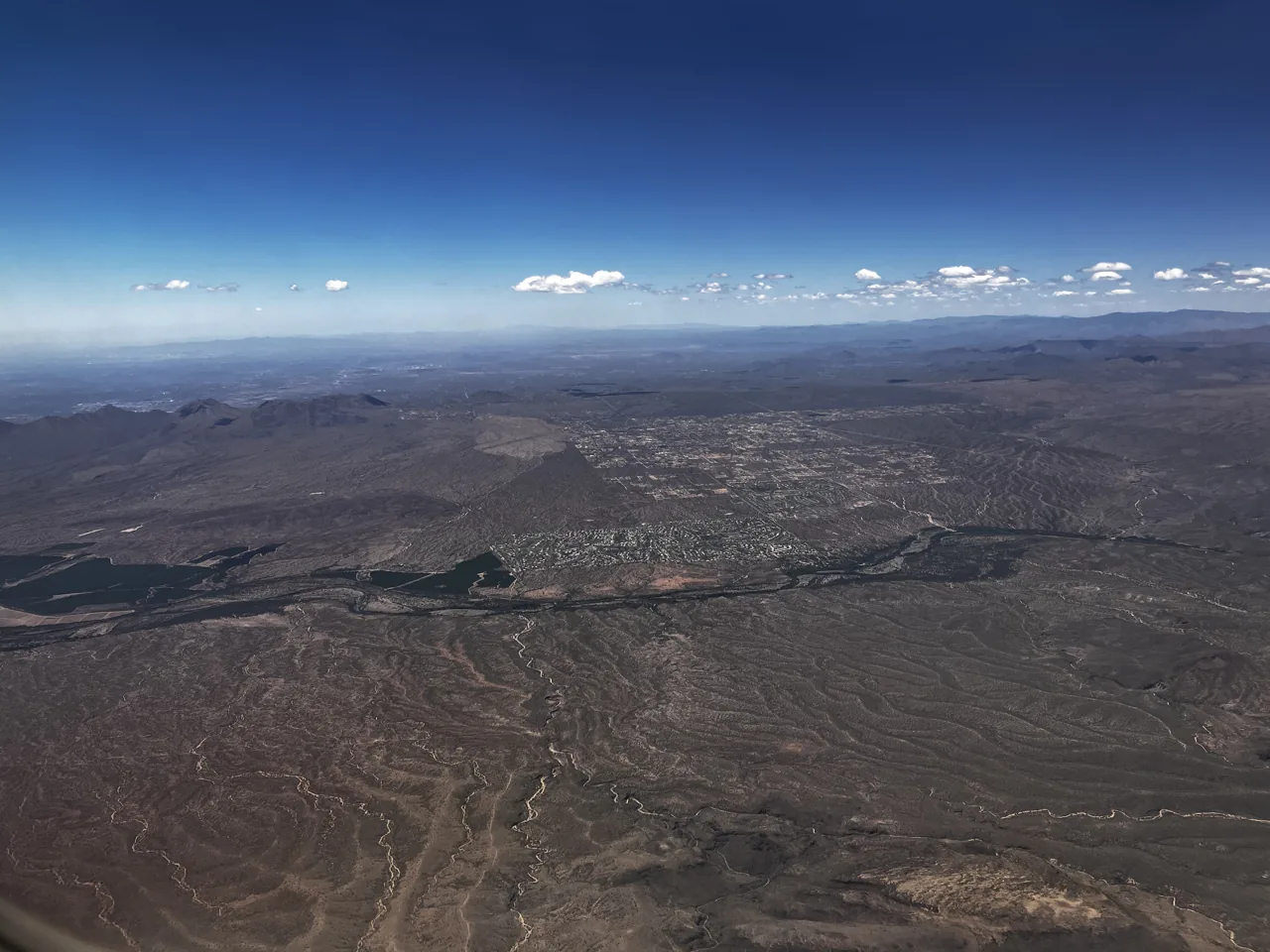
Arizona is not one uniform low desert. As training expands beyond the local area, routes can bring higher airports, rising terrain, and different weather into the same day. The FAA warns that mountain flying can involve downdrafts, turbulence, limited forced-landing choices, and terrain obscured by cloud. A favorable report from a valley airport does not describe every ridge along the route.
This is where beginner route planning should become a conversation, not a line drawn automatically by an app. Ask why your instructor prefers a particular route, where there are alternatives, and how the airplane’s performance supports the plan. A route with extra distance may offer advantages that are not apparent when you compare mileage alone.
The idea, at a glance
A route is more than a line on a map
- Airspace
Rules, communication, and current notices.
- Terrain
Route, altitude, escape options, and weather.
- Alternatives
Airports, fuel planning, and safe options.
Scenario: you depart in comfortable conditions, stop at a higher airport, and expect to leave later when it is warmer. The return departure needs its own assessment. Successfully arriving does not prove that taking off again with the same load will offer the same margin. The instructor should help you connect destination conditions, aircraft data, and the escape options available.
Treat scenic routes as training opportunities appropriate to your experience. Ask what additional instruction is needed before mountain or unfamiliar-airport operations. Early confidence should come from recognizing limits and using a plan, not from assuming that a recently earned certificate makes every nearby destination suitable. Build experience in stages and document what each new environment teaches you.
Read the source: FAA Aeronautical Information Manual — Potential Flight Hazards and Mountain Flying · FAA Lessons Learned — Density Altitude and Aircraft Performance
09 / 12
Make the weather briefing a skill you practice
A phone’s sunshine icon answers a different question from an aviation briefing. FAA guidance recommends evaluating weather and aeronautical information for the proposed flight, including the route, destination, timing, and alternatives. Learn the process with your instructor instead of collecting screenshots that you do not yet know how to interpret.
Begin with plain-English questions: What conditions are present now? What is expected to change? Where might the forecast be less certain? What information is missing? Your instructor can connect those questions to observations, forecasts, pilot reports, weather advisories, airport information, and notices about temporary changes or restrictions.
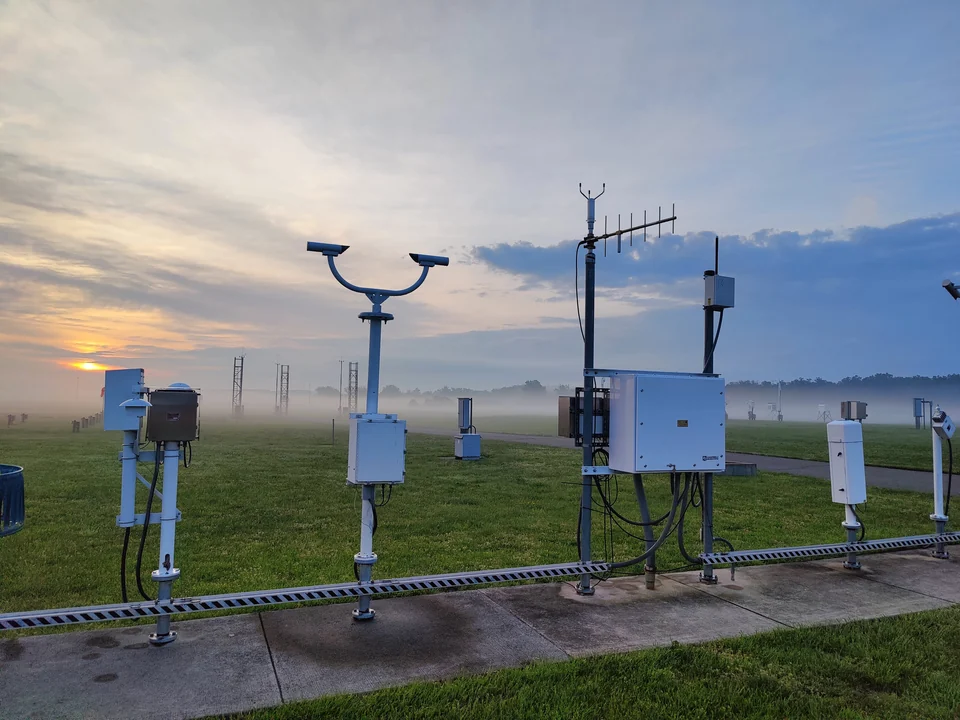
Weather imagery has limits. The FAA cautions that data-linked radar mosaics show earlier conditions and should not be used as the sole means of picking a tactical path through storms. A polished display can still be showing old information. Checking when a product was issued and what period it covers is part of learning to use it.
Try a short briefing notebook. Before each lesson, write your proposed decision and the two or three facts behind it. Compare your reasoning with the instructor’s assessment. Afterward, record what actually happened and what you misunderstood. Keep the exercise brief enough to repeat; the value comes from developing judgment over many lessons.
When you cannot resolve an important question, seek help. Flight Service can support the briefing process. Having access to information is useful; recognizing when you need interpretation is a separate skill.
Read the source: FAA AC 91-92 — Pilot’s Guide to a Preflight Briefing · FAA Aeronautical Information Manual — Meteorology and Thunderstorm Avoidance
10 / 12
Build progress around a sustainable schedule
Arizona weather cannot remove the other variables in learning. FAA Safety Briefing discusses factors such as lesson frequency, student availability, weather, and examiner availability when considering training timelines. Aircraft maintenance and individual proficiency also belong in your planning conversation. A published estimate is a planning reference, not an automatic completion date.
Ask the school to help you construct a sample month using your real availability. Include flight appointments, preflight preparation, postflight discussion, ground instruction, and independent study. Confirm what is billed and how much time to reserve at the airport. A two-hour calendar block does not necessarily mean two hours of flying.
The idea, at a glance
Make room for a useful Plan B
- Planned flight
A specific lesson with current conditions checked.
- If unsuitable
Ground lesson, debrief, or appropriate device work.
- Next opportunity
Rebook and prepare without pressure to launch.
Agree on a useful alternative when a flight cannot proceed. Depending on the syllabus and resources, that might be radio practice, systems study, weather analysis, or instructor-led procedure work. Ask which activities require an instructor and which can be completed independently. If the school suggests a training device, ask how it supports your current lesson and what credit, if any, applies to your program.
Review progress at regular intervals. What skill is improving? What is repeatedly causing difficulty? Are cancellations random, or is your only available time consistently unsuitable? Would a different appointment time, study method, or workload help? This keeps a calendar problem from being mistaken for a lack of ability.
Measure progress by demonstrated understanding and skills. A good training plan can adjust while keeping the next objective clear.
Read the source: FAA Safety Briefing, July/August 2024 — Learning to Fly
11 / 12
Price the whole move before you commit
If you are coming to Mesa from another state, a training quote is only one part of the decision. Make a separate living-cost estimate that includes housing, deposits, utilities, transportation, groceries, insurance, and a reserve for an extended stay. Request current prices rather than borrowing somebody else’s old budget. Even students living locally benefit from counting the commute and time away from work.
Test the practical details before signing a lease. How will you reach the airport for an early appointment? Is the advertised travel time realistic at the hours you will commute? Can you study and sleep comfortably where you plan to live? Will a household schedule compete with the hours your instructor recommends? These questions can reveal problems that a campus tour alone misses.

Get a written explanation of what tuition includes, which charges are separate, how additional instruction is billed, and what happens if you pause or withdraw. Compare equivalent scopes. A lower headline price may describe fewer included items or a different training objective; a higher price does not automatically establish better instruction.
Prepare a fallback plan before arrival: who to contact if your instructor changes, how to review unexpected costs, and how much flexibility you have if your timeline moves. Share that plan with anyone supporting you financially. The aim is to make a training decision with enough room to learn carefully, without turning every weather cancellation into a financial emergency.
Read the source: FAA Safety Briefing, July/August 2024 — Learning to Fly
12 / 12
Arrive with a first-month plan and questions
Your first month should help you understand how you learn, how the school operates, and how to prepare for the next lesson. Avoid setting a solo date as the only measure of success. A more useful early goal is being able to explain the lesson objective, arrive prepared, recognize when you need help, and describe what you will practice next.
The FAA’s PAVE framework considers the pilot, aircraft, environment, and external pressures. Work with your instructor to translate those categories into personal limits appropriate to your stage. A limit should be clear enough to guide a decision before you are tired, rushed, or emotionally invested in completing the flight.
The idea, at a glance
Turn the location into a training plan
- Conditions
Season, time of day, and weather interruptions.
- Capacity
Aircraft, instructor, and lesson availability.
- Your life
Travel, housing, study, and a sustainable budget.
An illustrative first-month checklist can keep the conversations organized. It is not a syllabus or a promise about how quickly you will progress. Ask your instructor which items fit your program and what should be added for your goals.
Before choosing Arizona, take a discovery flight or arrange a detailed school visit if practical. Describe your intended training goal and the schedule you can maintain. Ask the admissions team to connect those goals with a realistic next step, then use your experience with the instructor to decide whether the learning environment fits you.
- Before starting: confirm the training scope, costs, paperwork, and a workable weekly schedule.
- Early lessons: learn the aircraft checklist, local airport layout, and the instructor’s expectations.
- As training develops: practice a weather briefing and explain one performance calculation.
- At the first progress review: discuss skills, study habits, scheduling, and the next objective.
- Throughout: speak up about discomfort or confusion, and practice choosing a safe alternative.
Read the source: FAA Pilot’s Handbook of Aeronautical Knowledge — Aeronautical Decision-Making
Common questions
Before you take the next step.
Can I start flight training in Arizona during summer?
Discuss the available schedule, heat procedures, and weather limits with the school before committing. Summer is not an automatic prohibition, but it requires a realistic plan for aircraft performance, personal readiness, and changing weather. Suitability depends on the actual lesson and conditions.
Will training in Arizona guarantee that I finish faster?
No. Weather is only one factor. Your availability, preparation, proficiency, aircraft and instructor access, and scheduling all affect progress. Ask for an estimate based on your circumstances and room to adjust it.
Do beginners need to understand all of Phoenix’s airspace before their first lesson?
No. Your instructor introduces the knowledge and procedures appropriate to the lesson. You can prepare by reviewing the airport layout together and practicing questions and radio calls on the ground. Never substitute a remembered route for current information and instruction.
What should I ask before moving to Mesa for training?
Request a written training scope, a current cost breakdown, a sample schedule, and policies for cancellations or interruptions. Separately investigate housing, commuting, living costs, and the financial flexibility to stay longer if necessary.
What can I learn when weather cancels a flight?
Ask your instructor to explain the decision, then use an appropriate alternative such as briefing practice, aircraft systems, radio work, or procedure study. Agree on the activity and its cost first. A grounded day can still support the next flight.
Keep learning offline
Make a plan you can use.
Print these guides, bring them to a school visit, or work through them with your instructor.
Your next step
Let’s talk about your training.
Choose any of the optional questions above to add context to your conversation with admissions.
Discuss my training planYour selections will be added to an editable contact form. Review them there; nothing is sent until you submit it.
Go deeper
Sources & further reading
Sources checked October 13, 2026. Requirements and provider terms can change. These guides prepare you for a conversation with your instructor; use current regulations, aircraft-specific information, and an appropriate briefing for a flight.
- City of Mesa, Falcon Field Airport — Airport Facts falconfieldairport.com
- NOAA NCEI — Phoenix Sky Harbor 1991–2020 Monthly Climate Normals ncei.noaa.gov
- National Weather Service Phoenix — 1991–2020 Climate Normals weather.gov
- FAA Pilot’s Handbook of Aeronautical Knowledge — Aircraft Performance faa.gov
- FAA Lessons Learned — Density Altitude and Aircraft Performance faa.gov
- FAA Airman Education — Dehydration and the Pilot faa.gov
- National Weather Service — Heat Cramps, Exhaustion, and Stroke weather.gov
- FAA Pilot’s Handbook of Aeronautical Knowledge — Aeronautical Decision-Making faa.gov
- National Weather Service Tucson — The North American Monsoon weather.gov
- FAA Aeronautical Information Manual — Meteorology and Thunderstorm Avoidance faa.gov
- National Weather Service — Monsoon Downburst Winds and Dust Storms weather.gov
- FAA Pilot’s Handbook of Aeronautical Knowledge — Weather Theory faa.gov
- FAA From the Flight Deck — Falcon Field, Mesa, Arizona faa.gov
- FAA Aeronautical Information Manual — Controlled Airspace faa.gov
- City of Mesa, Falcon Field — Fly Friendly Noise-Abatement Guidance falconfieldairport.com
- FAA Aeronautical Information Manual — Potential Flight Hazards and Mountain Flying faa.gov
- FAA AC 91-92 — Pilot’s Guide to a Preflight Briefing faa.gov
- FAA Safety Briefing, July/August 2024 — Learning to Fly faa.gov