Mastering the Instrument Rating: How to Fly When You Cannot See
In this article
The Instrument Rating is widely considered the most challenging and most rewarding phase of flight training. It fundamentally changes how you think about flying, weather, and decision-making. Here is what to expect, how to prepare, and why it matters for your airline career.
Why the Instrument Rating Matters
Without an Instrument Rating, you are limited to flying in clear weather conditions. With it, you can fly in clouds, reduced visibility, and weather that would ground a VFR-only pilot. More importantly, the Instrument Rating develops the precision, discipline, and systems management skills that form the foundation of every airline pilot's competency.
Master the Scan Early
The instrument scan — the systematic way you cross-check your flight instruments — is the single most important skill you will develop. Start building this habit from your very first instrument lesson. The radial scan pattern works well: attitude indicator at center, with regular movements to heading, altitude, airspeed, and vertical speed. Practice until it becomes automatic.
Chair Fly Every Approach
Study approach plates at home, visualize each segment, and practice calling out configuration changes and checklists. This mental rehearsal is free, takes 20 minutes per approach, and translates directly to improved performance in the airplane. The students who chair-fly consistently pass their checkrides at significantly higher rates.
Embrace Technology, Master Fundamentals
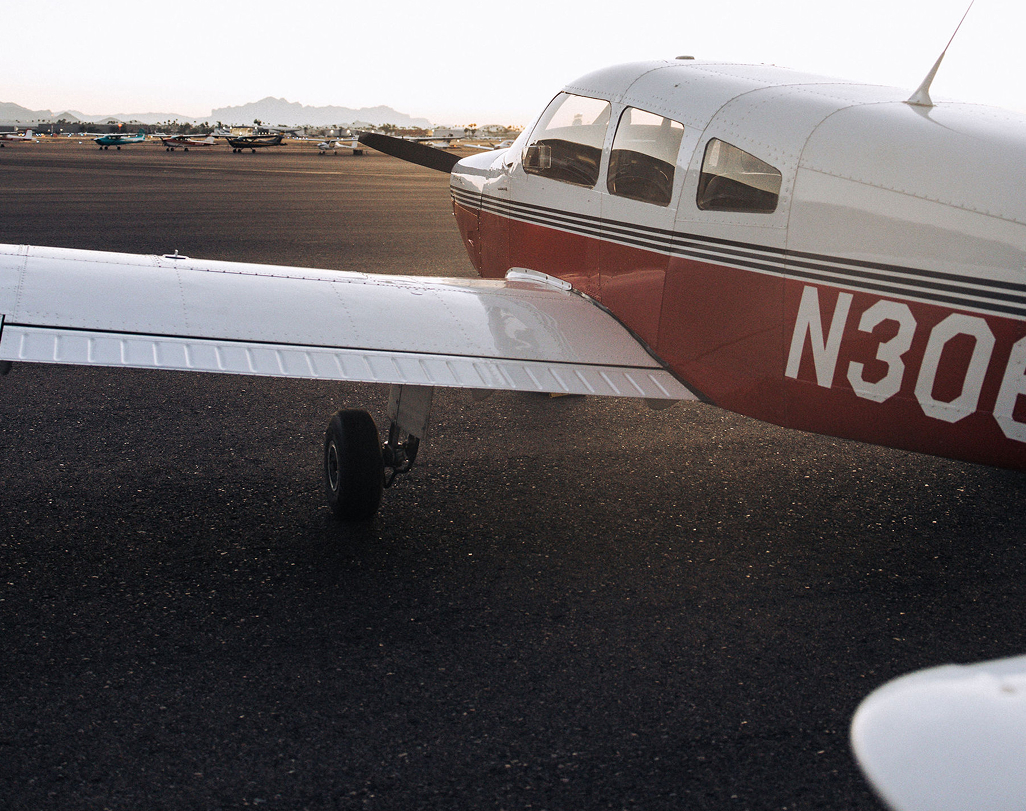
Modern glass cockpits like the Garmin G3X Touch in our Piper Archers provide excellent situational awareness. But you must also be proficient with partial panel operations using backup instruments. Checkrides test both — and airlines expect pilots who can manage automation while maintaining strong hand-flying skills.
READY TO PLAN YOUR NEXT STEP?
Talk with our admissions team about your training goals, schedule and questions. We can help you compare programs and understand what is included.