From Zero Experience to $300K+ Captain: The Airline Pilot Career Roadmap
In this article
The path to becoming an airline pilot has never been more promising. With a projected shortage of over 34,000 pilots needed by 2032, airlines are actively seeking qualified candidates and offering unprecedented compensation packages. This comprehensive guide walks you through every certificate, every hour requirement, and every strategic decision you need to make to launch a successful airline career.
The Five Essential Certificates
Your journey begins with the Private Pilot Certificate, requiring a minimum of 40 flight hours. Next comes the Instrument Rating, adding critical skills for flying in reduced visibility conditions. The Commercial Pilot Certificate requires 250 total flight hours and qualifies you to be paid to fly. From there, you earn your Certified Flight Instructor (CFI) certificate — the most strategic move in your career because it lets you build hours while earning income. Finally, the Airline Transport Pilot (ATP) certificate at 1,500 hours is your ticket to the airline flight deck.
Building Your Flight Hours Strategically
The most common and reliable path to 1,500 hours is through flight instruction. At Venture West Aviation, our CFI graduates typically reach ATP minimums within 18–24 months while earning income teaching the next generation of pilots. Top instructors build 1,000+ hours annually. The Pinnacle Pathway adds Multi-Engine Instructor training. Instructor positions require a separate application and hiring process; employment and interviews are not guaranteed.
What Airlines Actually Look For
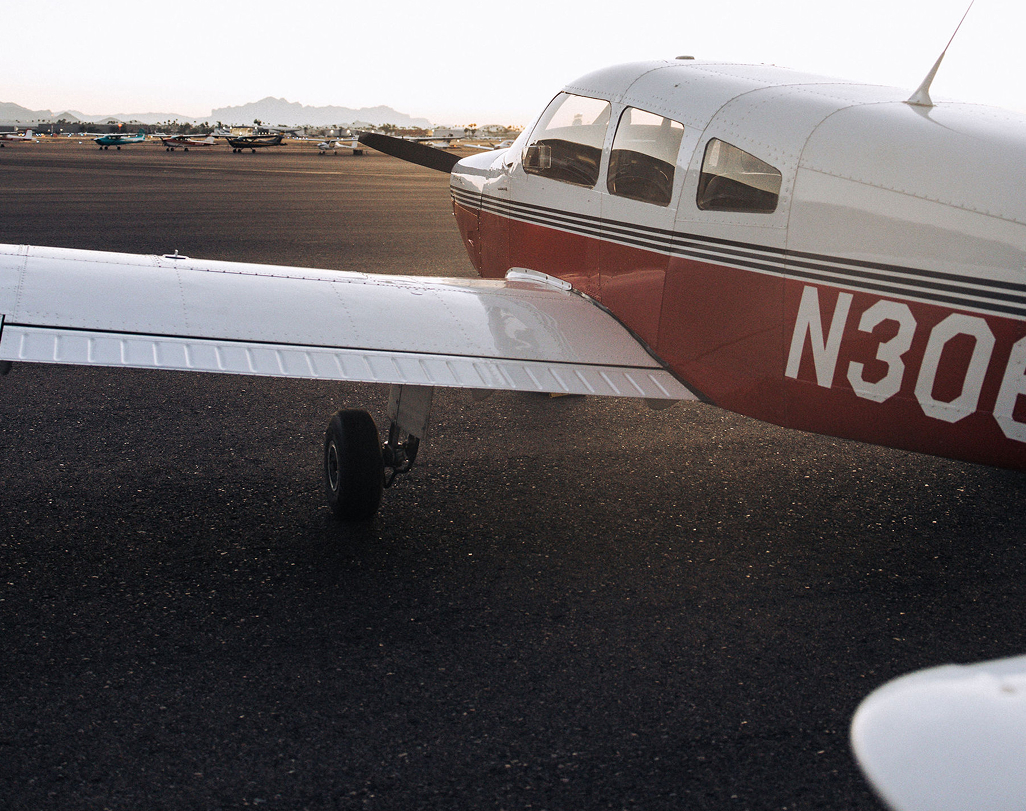
Beyond the minimum requirements, regional airlines seek candidates with strong communication skills, multi-engine time, and glass cockpit proficiency. They value CFIs who have demonstrated teaching ability and patience under pressure. Experience with modern avionics systems like the Garmin G3X Touch is increasingly expected. Our training in Piper Archers equipped with current avionics ensures you graduate with the exact experience airlines want to see.
The Financial Picture: Investment vs. Return
Training costs approximately $100,000–$110,000 for all certificates through CFI. That is a significant investment — but context matters. Regional airline first officers now start at $80,000–$100,000+ annually, with major airline captains earning $300,000+. Over a 30-year career, the cumulative earning potential exceeds $10 million. No other career with this earning trajectory requires only two years of training. Multiple financing options — including ELMSelect financing, Stratus Financial, VA Benefits, and custom payment plans — make this investment accessible.
Why Starting Now Matters
The pilot shortage is not going away. Airlines are competing for qualified candidates with signing bonuses exceeding $100,000, rapid upgrade timelines, and improved quality-of-life scheduling. Every month you wait is a month of six-figure airline income you will never get back. The students who start today will be flying for airlines while others are still deciding whether to take the first step.
The average Venture West Aviation graduate goes from zero experience to CFI in approximately 12 months, then reaches airline minimums within another 18–24 months of instructing.
READY TO PLAN YOUR NEXT STEP?
Talk with our admissions team about your training goals, schedule and questions. We can help you compare programs and understand what is included.